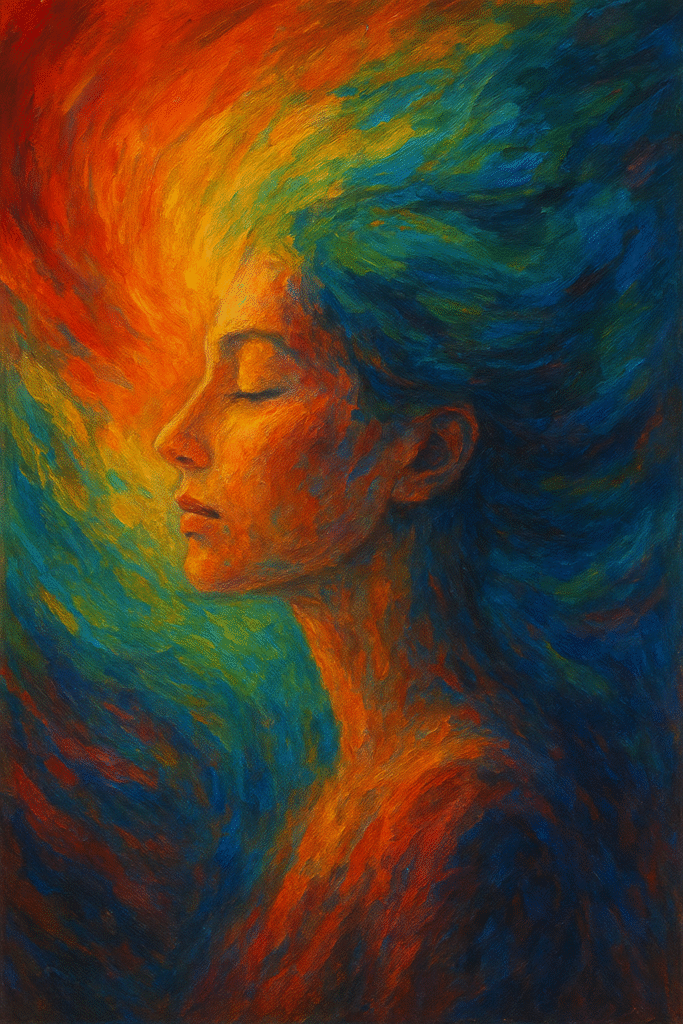
The Silent Language of Art: How Colors Speak to the Soul
Art has always been a universal language — one that speaks without words. Among its many elements, color holds a special power. It communicates emotions, moods, and energy that often transcend logic.
From the calming blues of a sea painting to the fiery reds of passion, every hue carries meaning. Artists use color not just to decorate, but to express — to evoke feelings within the viewer. For instance, Vincent van Gogh’s yellows convey hope and energy, while Picasso’s blues tell stories of solitude and sadness.
Colors also play a vital role in cultural identity. In India, saffron symbolizes strength and purity; in Japan, white stands for sacredness. These associations give artworks layers of significance that connect deeply with people’s heritage and emotions.
Ultimately, the silent language of color reminds us that art is not just something we see — it’s something we feel. Each shade, tone, and gradient whispers to the soul, inviting us to experience life more vividly through the artist’s vision.